
Harness the power of daily activity to naturally regulate your glucose. Small consistent steps create lasting health transformations.
Discover More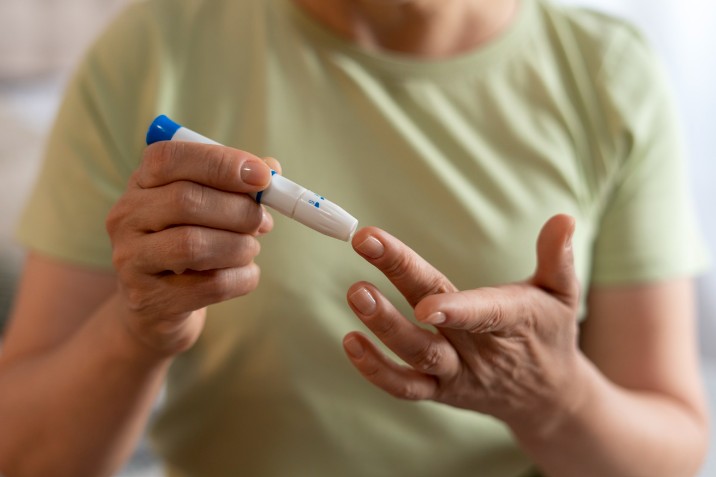
Your body's relationship with glucose changes fundamentally when you move regularly. Physical activity triggers mechanisms that help cells absorb sugar more efficiently. This happens because active muscles need immediate fuel, pulling glucose from your bloodstream as their primary energy source.
What makes this approach powerful is its accessibility. Walking requires no special training, equipment, or gym membership. Studies confirm that short, frequent activity bursts throughout the day match or exceed the benefits of longer single sessions for glucose control.
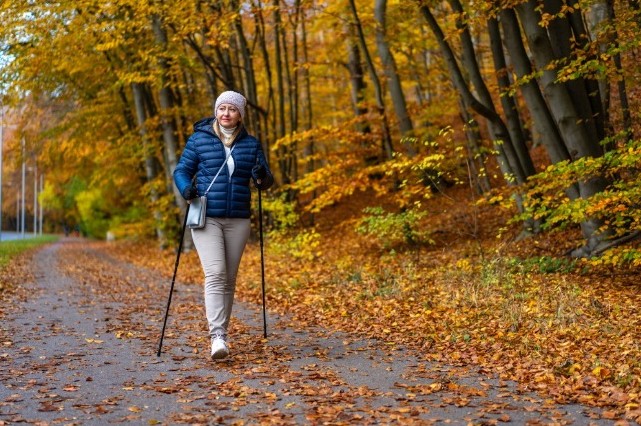
Choose movements that match your current fitness level and personal preferences. Sustainability matters more than intensity.
Movement acts as a natural glucose regulator. When muscles contract during activity, they consume sugar directly from your blood without requiring additional insulin production. This creates more stable glucose levels throughout the day.
Regular physical activity improves how your cells respond to insulin signals. This enhanced sensitivity allows your body to use available insulin more effectively, reducing the burden on your pancreas over time.
Consistent movement helps reduce excess body weight gradually. Since higher body fat interferes with insulin function, losing even modest amounts can significantly improve your diabetes management results.
Physical activity strengthens your heart and improves blood circulation. Better cardiovascular function reduces risks of complications that commonly affect people managing diabetes long-term.
Begin with manageable goals that fit your current lifestyle. Five-minute walks after meals provide an excellent starting point. As your body adapts and movement becomes habitual, gradually extend duration and frequency based on how you feel.
Pick activities you genuinely look forward to doing. If walking alone feels boring, bring a friend or family member. Music, podcasts, or audiobooks can make the time pass enjoyably. Indoor options like mall walking work perfectly when weather prevents outdoor activity.
Coordinate with your healthcare provider before making significant changes to your activity routine. They can help you adjust medications if needed and monitor your progress safely, especially if you have other health conditions requiring consideration.
Test blood sugar before and after activity sessions, especially when starting. This helps you understand your body's response and prevents unexpected low glucose episodes.
Always have glucose tablets or juice available during activity. If you feel shaky, dizzy, or unusually tired, stop immediately and check your blood sugar level.
Examine feet daily for any cuts, blisters, or irritation. Wear properly fitted shoes and moisture-wicking socks to prevent problems during and after walking.
Walking after each meal transformed my glucose control completely. My readings went from constantly high to consistently normal within six weeks. I feel healthier and more energetic than I have in years.
— Deepak T., Mumbai
I started slowly with just ten-minute walks twice daily. Three months later, I'm walking 45 minutes every day and my medication dosage has decreased significantly under my doctor's guidance.
— Anjali M., Delhi
Joining a morning walking group gave me accountability and friendship. My average blood sugar dropped 35 points in two months, and I've lost weight without feeling like I'm on a strict diet.
— Ravi K., Bangalore
Swimming became my preferred activity because of joint pain. The water exercise improved both my glucose levels and my mobility. I wish I had started this routine years earlier.
— Lakshmi S., Chennai
Breaking my activity into three short sessions instead of one long workout made it sustainable. I rarely miss days now because it fits naturally into my schedule and doesn't feel overwhelming.
— Mohit P., Hyderabad
Address:
23, Park Street, Kolkata 700016, West Bengal, India
Phone:
+91 33 4081 7259
Email:
hello (at) hiziget.shop
Most people notice some positive changes within the first 7-10 days of consistent daily activity. More substantial improvements in average glucose levels typically appear after 3-4 weeks of regular movement. Individual timelines vary based on your starting fitness level and overall health status.
Numerous low-impact alternatives exist including chair exercises, water activities, or gentle stretching routines. The goal is muscle movement that uses glucose, not high-intensity workouts. Consult your healthcare provider about safe options for your specific situation.
Walking 15-20 minutes after meals provides optimal glucose control benefits. Your blood sugar naturally rises after eating, and activity during this window helps your body process the glucose more effectively. Avoid vigorous exercise on an empty stomach.
Consistent physical activity can improve glucose control significantly, which may allow your doctor to adjust medication dosages. However, never change medications independently. Always work with your healthcare team to coordinate any treatment modifications safely.
Aim for moderate intensity where you can still hold a conversation but feel your heart rate increase slightly. You should feel energized afterward, not exhausted. Begin gently and increase intensity gradually as your fitness improves over weeks.
Track your progress by recording glucose readings and how you feel. Find an activity partner for accountability. Set small, achievable goals and celebrate reaching them. Make movement enjoyable by choosing activities you genuinely like and varying your routine to prevent boredom.